Wine from A to Z, literally and figuratively

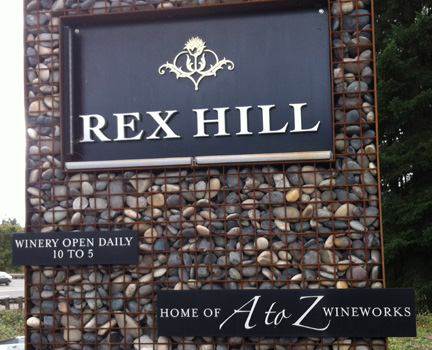
To wrap up my winery visits in Oregon, I spent some time with the CEO of one of my favorites vineyards, and found out more about it.  I went to what I thought was only A to Z.  Well, there is so much more to it!  They also produce Rex Hill wines, which is actually the primary one at the tasting room, and a few people who work there produce their own wines in small quantities.
wine6

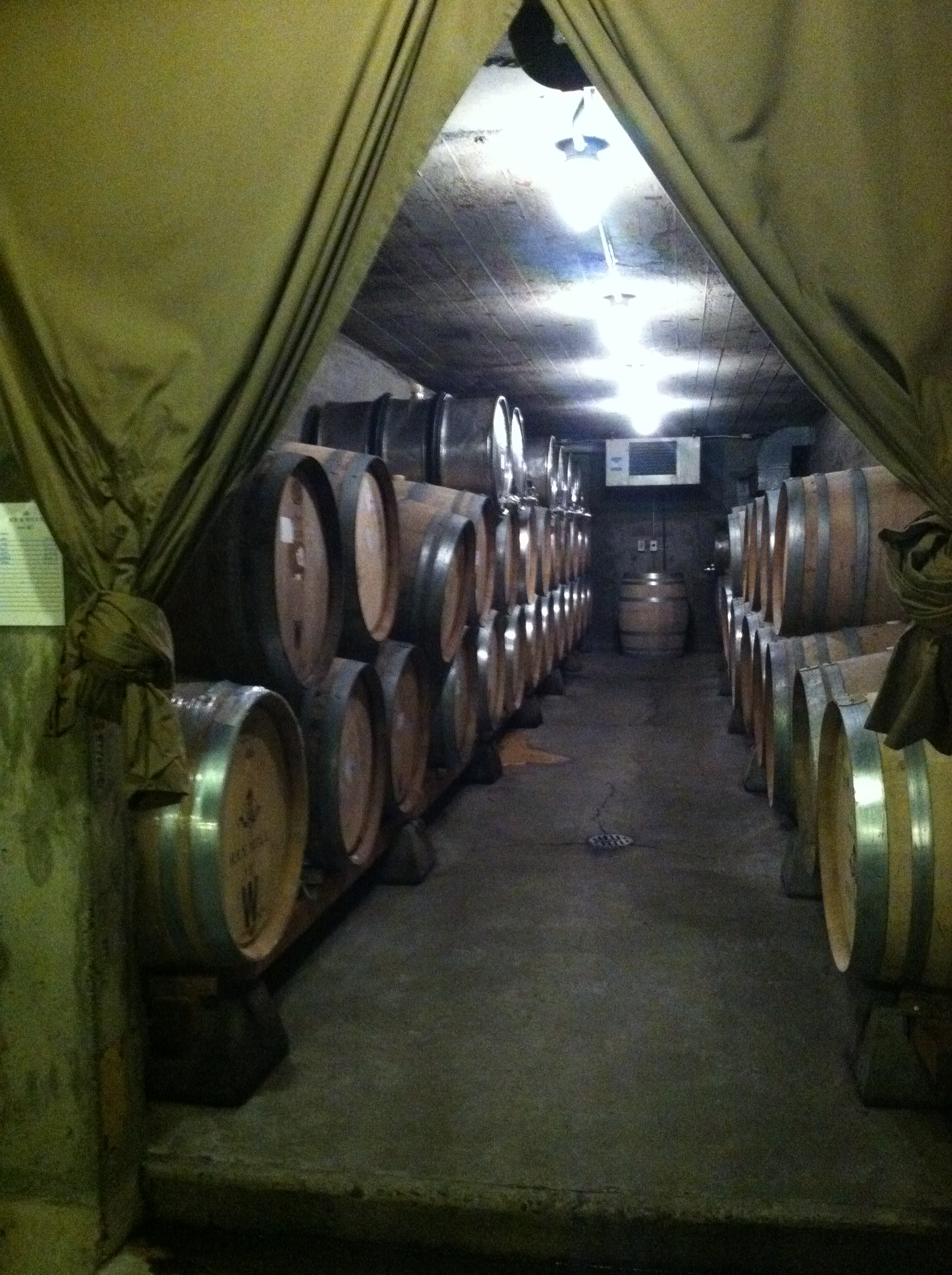
William (Bill) Hatcher gave me a tour of the cellars and I got to taste wines that were still ‘grape juice’ — as in had no alcohol content yet — to slowly working up to perfection.  The ones I sampled went from 1-7 days ‘old’ (there is a much more technical name for this) and it was interesting getting a ‘feel’ for what the process entails.  There is also a labeling system for each wine as they are being produced, then I got info on bottling, corking, distribution and more.

OR-CO 060

OR-CO 061

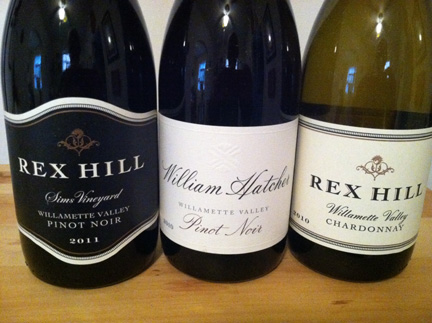
After that I tasted many of their amazing offerings, from whites to reds, Chards to Pinots.  I don’t love Chards but wow!  Bring…it…on.  I spent more time talking to Bill about the history of the company, what has brought them to where they are and what/where they hope to go in the future.  This is yet another location where I wanted to load up on tons of bottles but I did have to travel across the country to get home so it wouldn’t be the easiest thing to do.  I somehow left with only three, knowing that would give me reason to go back.  The William Hatcher bottle in the middle is Bill’s own and was quite amazing!
rexhill

Wine Class #2

Had my second wine class the other day and learned more about that great beverage.  There was interesting info about labeling and the differences between Old and New World wines.  Think about when you buy a bottle of French vs. a bottle of California wine.  Which label is easier to read — ignoring any potential language barriers?

For Old World, they must (still and will likely always) include:

-Protected Designation of Origin (PDO)
-Protected Geographical Indication (PGI)
-Color (red, rose, white)
-Sweetness (dry, medium-dry, medium-sweet, sweet)

For New World, simple:

-brand name
-grape varietal(s)
-geographical areas (Sonoma, Western Cape South Africa)

After that we discussed the background and intricacies of Chardonnay and Pinot Noir, and of course had to sample some.  This week we tasted 8 wines (2 were not of the aforementioned varietals):

Chardonnay

#1 2012 Sylvaine & Alain Norman La Roche Vineuse
Macon – Burgundy, France

IMG_1618

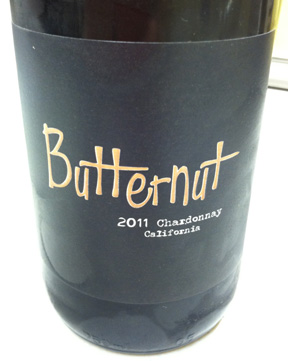
#2  2011 Butternut Chardonnay
California

IMG_1619

#3 2012 Hendry Unoaked
Napa Valley, California

IMG_1622

Pinot Noir

#4 2011 Domaine Bernard Moreau et Fils Bourgogne Rouge
Burgundy, France

IMG_1621

#5 2011 Baileyana Firepeak
Edna Valley, California

IMG_1620

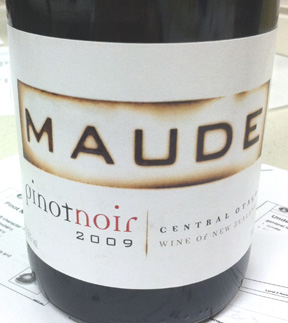
#6 2009 Maude
Central Otago, New Zealand (this is the most southern wine area in the world)

IMG_1623

Gamay

#7 2011 Chateau du Basty Regnie
Beaujolais, France

IMG_1624

Pinotage

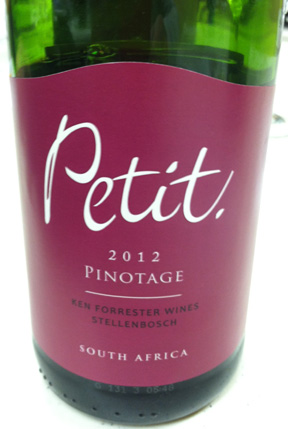
#8 2012 Ken Forrester Petit Pinotage
Stellenbosch, South Africa

IMG_1626

Wine Class/School

Last week I has my first, of five, classes with the Capital Wine School for the Wine & Spirit Education Trust (WSET) Level 2 Award.  Going to school for wine?  What more could one ask?  There are a variety of people in the class, from wine distributors looking to learn about products, caterers, retirees pursuing their passions of wine and getting background for potential work in wine stores and others of us just learning more about wine for kicks.

During the first session, we learned about various elements of wine, from environment to storage.  But the primary focus was the Systematic Approach to Tasting Wine.  Before you taste the wine, you have to analyze several aspects of it, with specific, pre-identified terms for each level.

Appearance — clarity, intensity, color.  For this, you always want to have the wine against a white background.

IMG_1569

Nose — condition, intensity, aroma characteristics (you use the characteristics below).  Swirling is optional, personal preference, but what do you have to lose?

Next, the fun part — tasting the wine!  They like to call it palate. There are several areas to determine/analyze here — sweetness, acidity, tannin, body, flavor characteristics, finish.

For the Aroma and flavor characteristics, there are many of them to base it/them on:

Floral/fruit — floral, green fruit, citrus fruit, stone fruit, tropical fruit, red fruit, black fruit, dried fruit

Spice/Vegetable — underripeness, herbaceous, herbal, vegetable, sweet spice, pungent spice

Oak/other — simplicity/neutrality, autolytic, dairy, oak, kernel, animal, maturity, mineral

Conclusions — quality

What was interesting to learn while doing this is that you have a blank palate — you do not lean a certain way.  It is what is present in the wine.  You might not like the wine, but it’s the flavor, aromas, characteristics, x,y,z that are there.  You analyze that wine to present it to the innocent bystander who is looking for a ‘wine that will pair with ‘this” or a wine with ‘x flavors.’

We tasted 6 wines last week.  They provide you with spit/dump buckets and water so you could keep going strong.

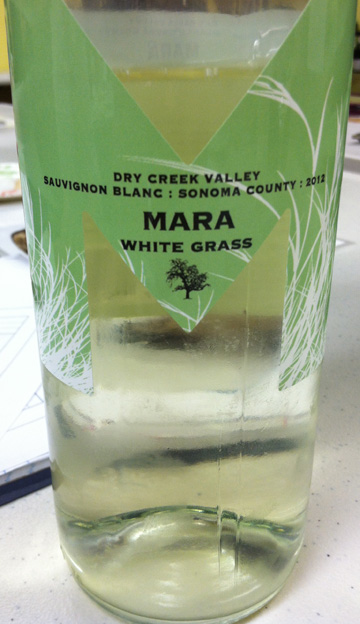
#1  2012 Mara White Grass Sauvignon Blanc

IMG_1567

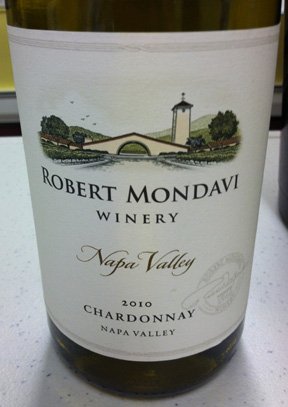
#2 2010 Robert Mondavi Chardonnay

IMG_1568

#3  2011 Karl Erbes Urziger Wurzgarten Riesling Kabinett

IMG_1571

#4 2011 Henry Fessy Morgon Cru Beaujolais

IMG_1573

#5  2010 Cousino-Macul Antiguas Reservas Cabernet Sauvignon

IMG_1574

#6 2011 Bodegas Volver Tarima Mourvedre (Monastrell)

IMG_1575

As mentioned earlier, it was tough to say, ‘this was a good wine,’ because there are a few that I put personal notes about what NOT buy at the store.  But it is so neat to start learning about what goes into what sommeliers learn when they provide you all the info on the grapes we enjoy.

Class #2 is later this week.  So, more to come.